Websites, apps, and platforms for organizations.
eHabitats builds the digital systems that connect organizations with their members, students, donors, customers, and communities.
Founded in 2005. Built with AI-native methods today.
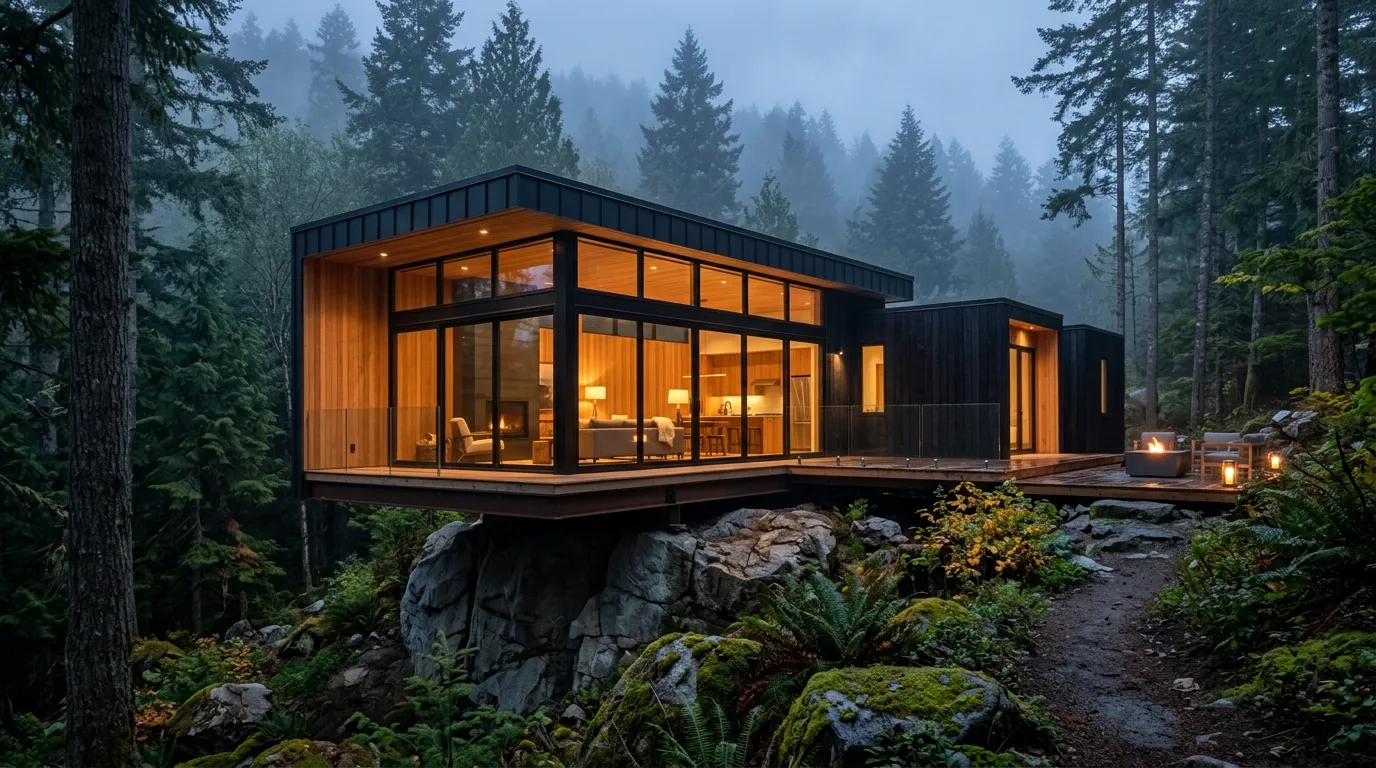
The eHabitats idea
Social platforms create reach. Your habitat holds the relationship.
Public platforms help people discover an organization. Your own systems hold the lasting relationship.
Your website, applications, data, and internal tools should operate as one environment. One that knows who people are, how they relate to your organization, what they have done, what they can access, and what should happen next.
That environment is your digital habitat.

- 01
Websites and web applications
Public sites, member areas, directories, publishing systems, forms, and internal tools. Built for the people who visit them and the staff who run them.
- 02
Mobile applications
iOS and Android applications for members, participants, customers, and field teams. We build the application, connect it to the larger product, and manage its releases.
- 03
Platforms and products
Custom software with accounts, permissions, payments, APIs, and administrative tools. One system shaped around how the organization actually works.
- 04
Data and AI
Pipelines that clean and connect messy records, search that returns the right result, and AI features with defined inputs and output that can be tested.
AI-native development
Software development without the agency theater.
Modern tools make it possible to build software faster than ever. They also make it easier to build the wrong thing quickly.
eHabitats uses AI agents throughout research, specification, development, testing, and documentation. This reduces the cost of producing software and lets more of the project budget go toward the product itself.
Experience determines what gets built, how the pieces fit together, and what is ready to ship.
- 01 Write the intent
- We define what the product must do and how the finished work will be judged.
- 02 Build the real thing
- Working software appears early. Decisions are made against the product, not a presentation about it.
- 03 Use the technology that fits
- A public website and a national data platform require different machinery. We use the level of technology the problem requires.
Selected work
ScholarComp
ScholarComp is building infrastructure for K–12 talent development and opportunity. Academic competitions provide the initial network: millions of historical results, thousands of schools and organizations, and a durable record of what students accomplish.
The platform brings together public web and mobile experiences, competition software, search, identity, ratings, analytics, data pipelines, and cloud infrastructure.
Evidence
- More than 13 million competition results
- Records collected from incompatible websites, PDFs, spreadsheets, and tournament systems
- Entity resolution across inconsistent school, organization, and competition names
- A rating model that makes different competitions meaningfully comparable without ordinal student rankings
Who we work with
Organizations built around people.
- Schools and districts
- Associations and professional organizations
- Nonprofits and foundations
- Faith communities
- Civic and public-serving organizations
You have a community to serve and work that generic software does not quite understand.
eHabitats builds systems around your relationships, operating rules, institutional knowledge, and the work your people perform every day.
Twenty years
2005–
The tools changed. The idea held.
eHabitats began in 2005 with the view that an organization's presence online should work like a habitat, not a brochure: a place that fits the people who use it, holds what matters, and lasts.
The web moved through content systems, social platforms, mobile applications, cloud infrastructure, APIs, and AI. Each change expanded what an organization could build. The underlying need remained the same: reach people publicly, serve them directly, and retain the relationship.
Tell us what you need built.
Describe your organization and the problem. We will come back with what we would build and what it costs.